Virtual Author Talk: Unworthy Republic by Claudio Saunt
Atlanta History Center , United StatesA virtual talk with Claudio Saunt, author of "Unworthy Republic: The Dispossession of Native Americans and the Road to Indian Territory."
Free

A virtual talk with Claudio Saunt, author of "Unworthy Republic: The Dispossession of Native Americans and the Road to Indian Territory."
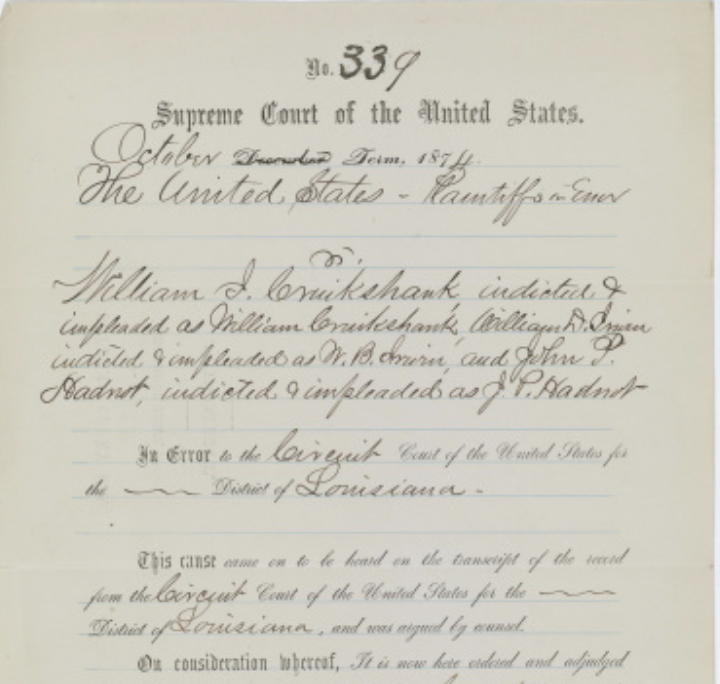
Two of the stated purposes of the Constitution of the United States are to “establish justice” and “secure the blessings of liberty.” Yet the Constitution did not abolish slavery. Some saw this as a contradiction; others believed they should be free to own slaves. The definition and application of the Constitutional ideals of freedom and […]
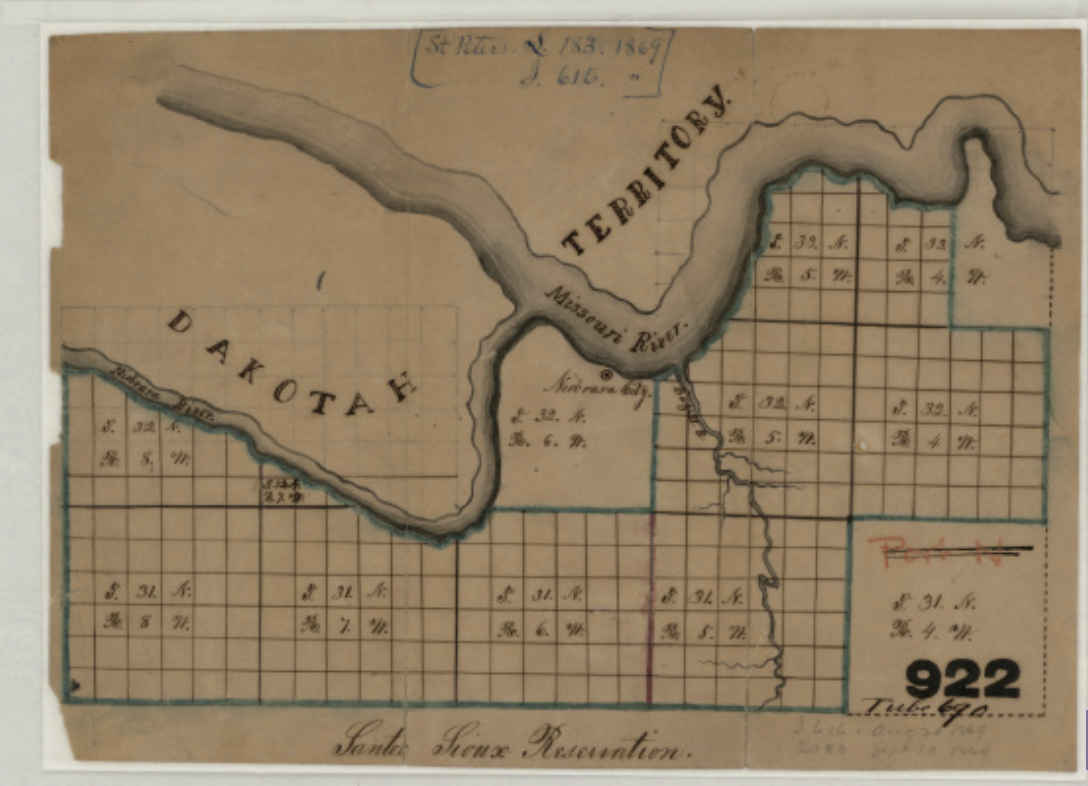
The history of Native American rights is not a progressive march; it’s a story of rights being alternately acknowledged and disregarded. In this struggle, tribes negotiated hundreds of treaties with the Federal Government. Nonetheless, Native Americans lost many rights due to conflicts with Americans and the interests of the Federal Government.
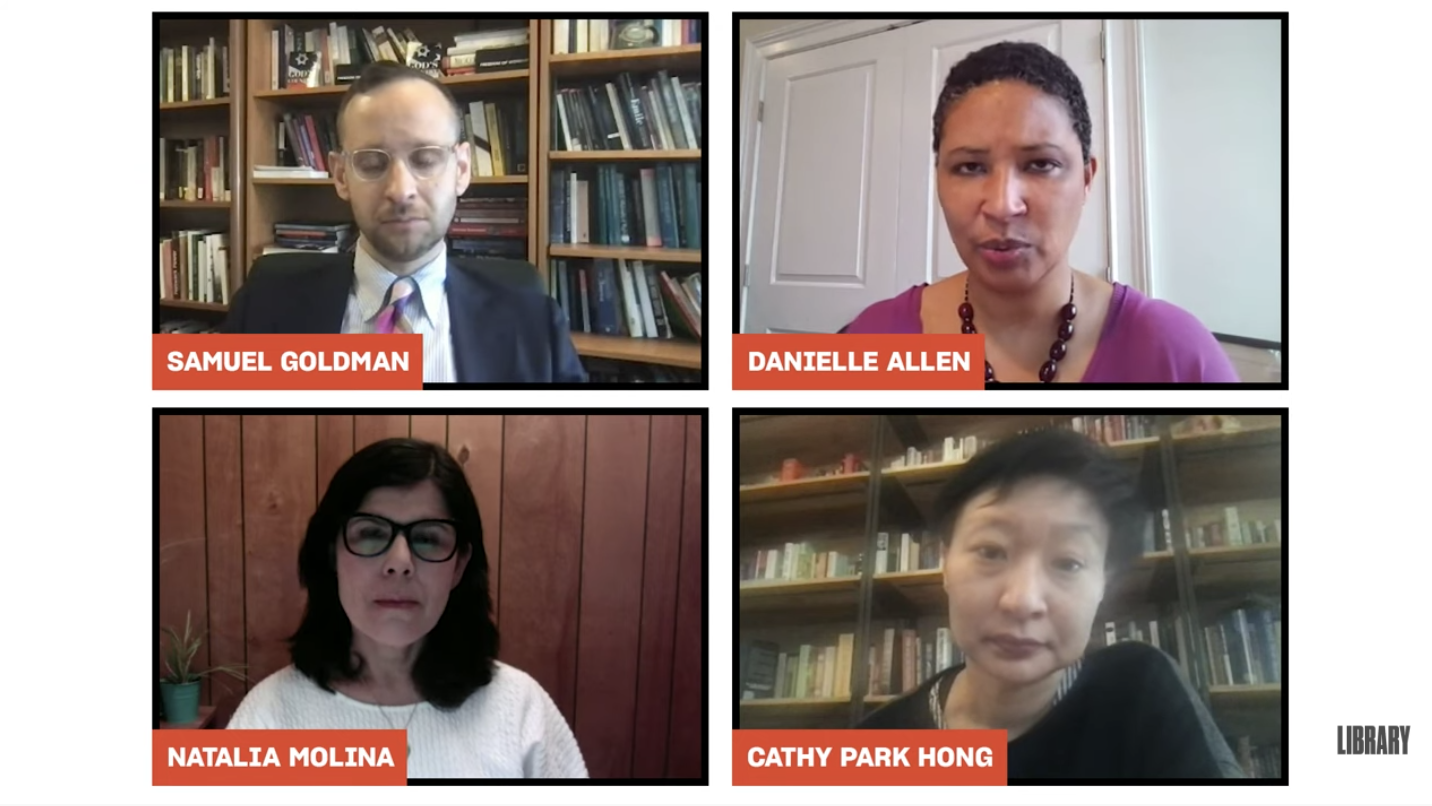
How can we celebrate what's good about the US and its history, while addressing the exploitation and inequality that are also part of the American legacy? Panelists discuss how to meld the good and the bad of U.S. history into shared narratives that a diverse population can broadly endorse. In collaboration with the American Academy […]

We are regularly exposed to the message that in a democracy, such as the United States, our voices matter. We are encouraged to vote—to participate in the electoral process—to be civically engaged. But what does that mean in a climate where so many of us express apathy and distrust in the system? In an increasingly […]
With more than 8,000 breweries, the United States is home to the most dynamic and creative small brewing industry in the world. Yet as the industry grew, many were excluded from its ranks. Today’s brewers face threats associated with the pandemic, the brewing supply chain, and climate change. What lies ahead? The future of American […]
How could the author of the Declaration of Independence own slaves? How did the Founders’ failure on slavery stunt the American Dream? What are some of the key lessons from the Civil Rights Movement of the 1950s and 1960s? Ed Ayers, Marian Wright Edelman, Annette Gordon-Reed, Deborah McDowell discuss with Peter S. Onuf.

You don’t need years of rigorous archival experience to document your family’s rich history. Beginning the journey is as easy as sitting down for a conversation with your parents at the dinner table, or with far-away relatives over Zoom. Check out our tips.
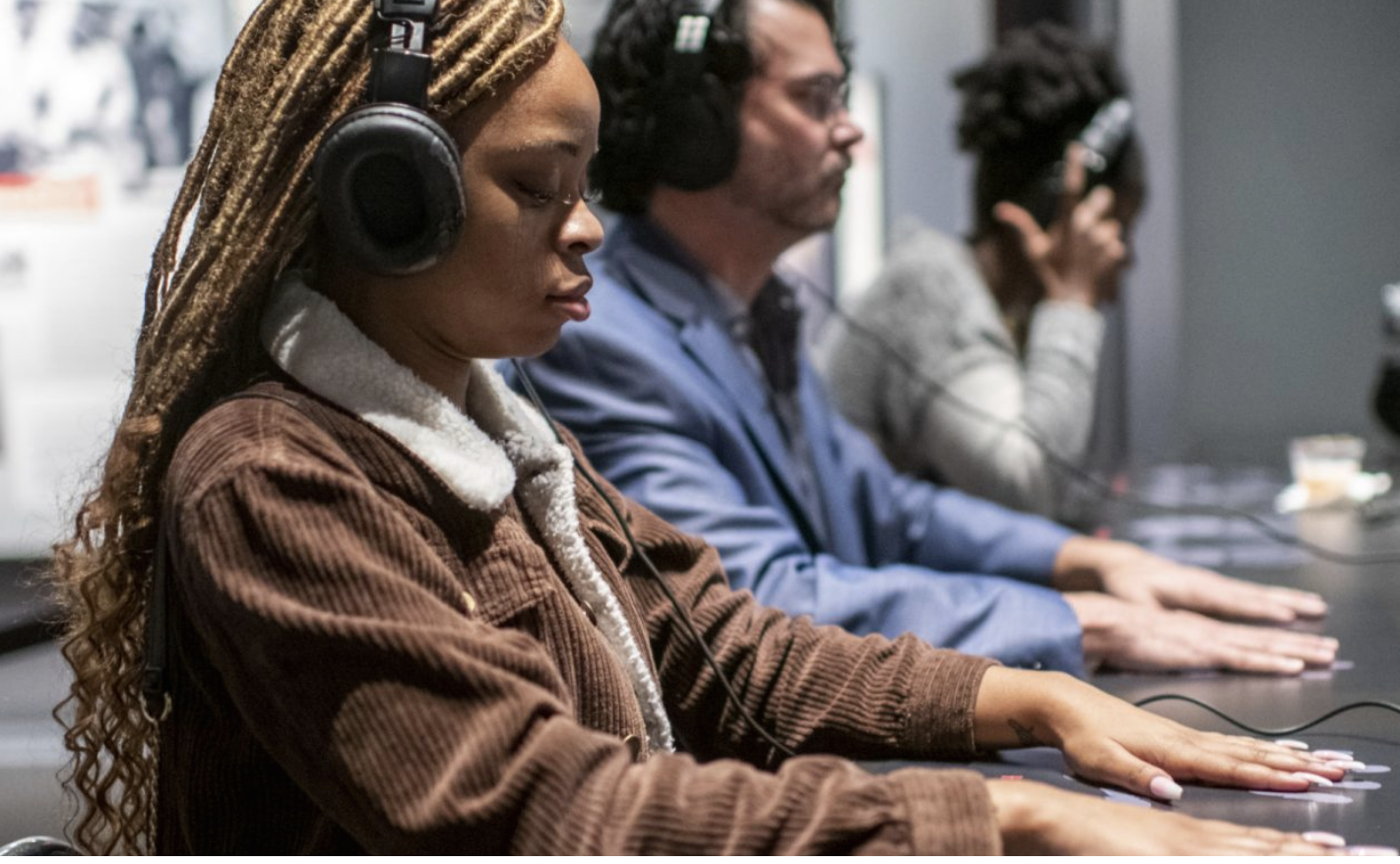
After learning about the training involved in non-violent protests, visitors are invited to participate in a lunch counter sit-in simulation and place themselves in the shoes of non-violent protestors in 1960. Try this at home using the downloaded audio, or visit for the in-person experience.
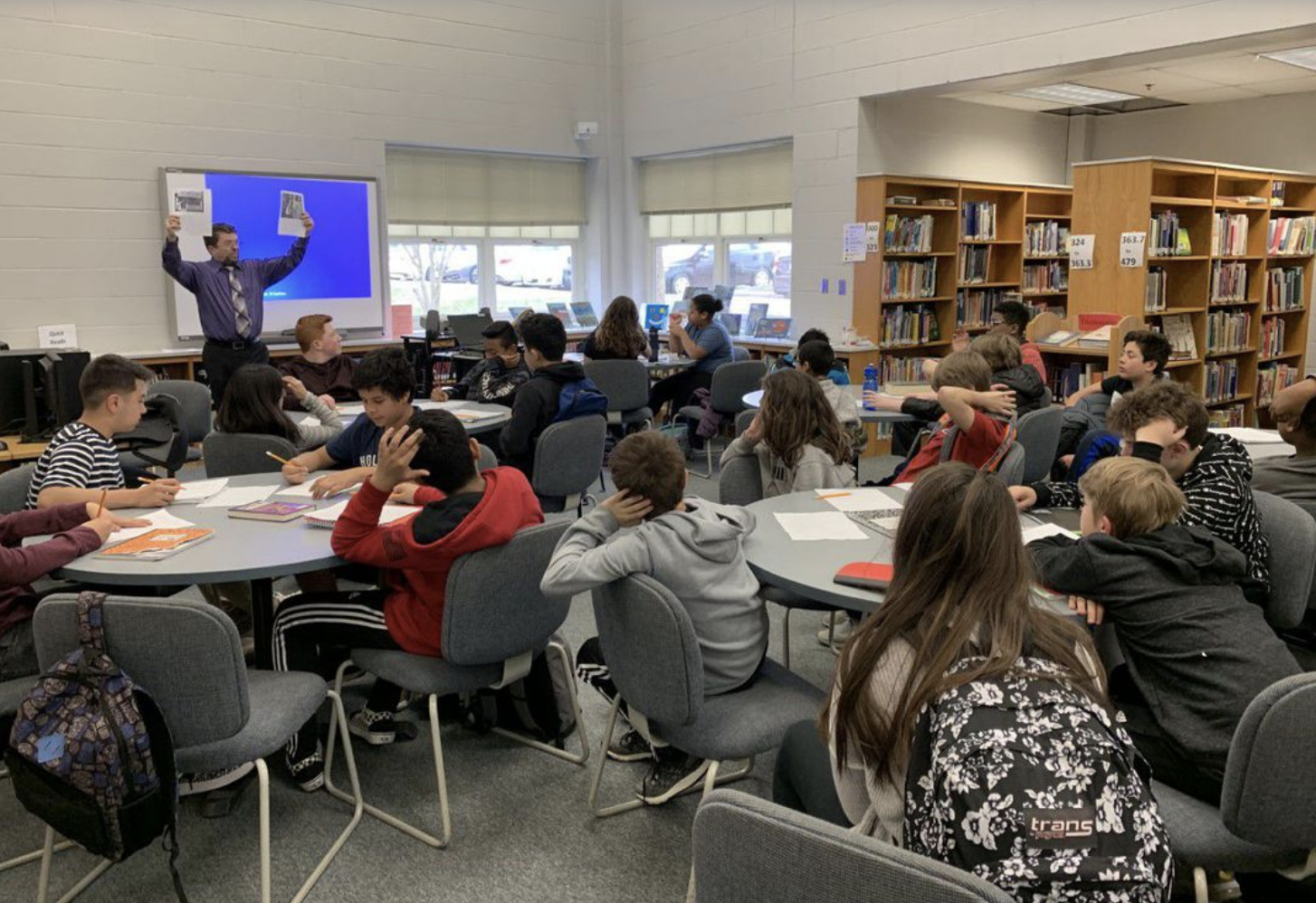
The experience of co-creating activities with AAPI partners reveals the critical importance of offering learning opportunities to be more reflective of the U.S. population.
When you go to a Museum do you see your story reflected in the exhibits and collections? Museums are places that collect and share American Culture, History, and Identity. And like American Culture, History, and Identity, Museums are steeped in echos of the past. Who is represented in museum collections? Whose stories do we tell? […]
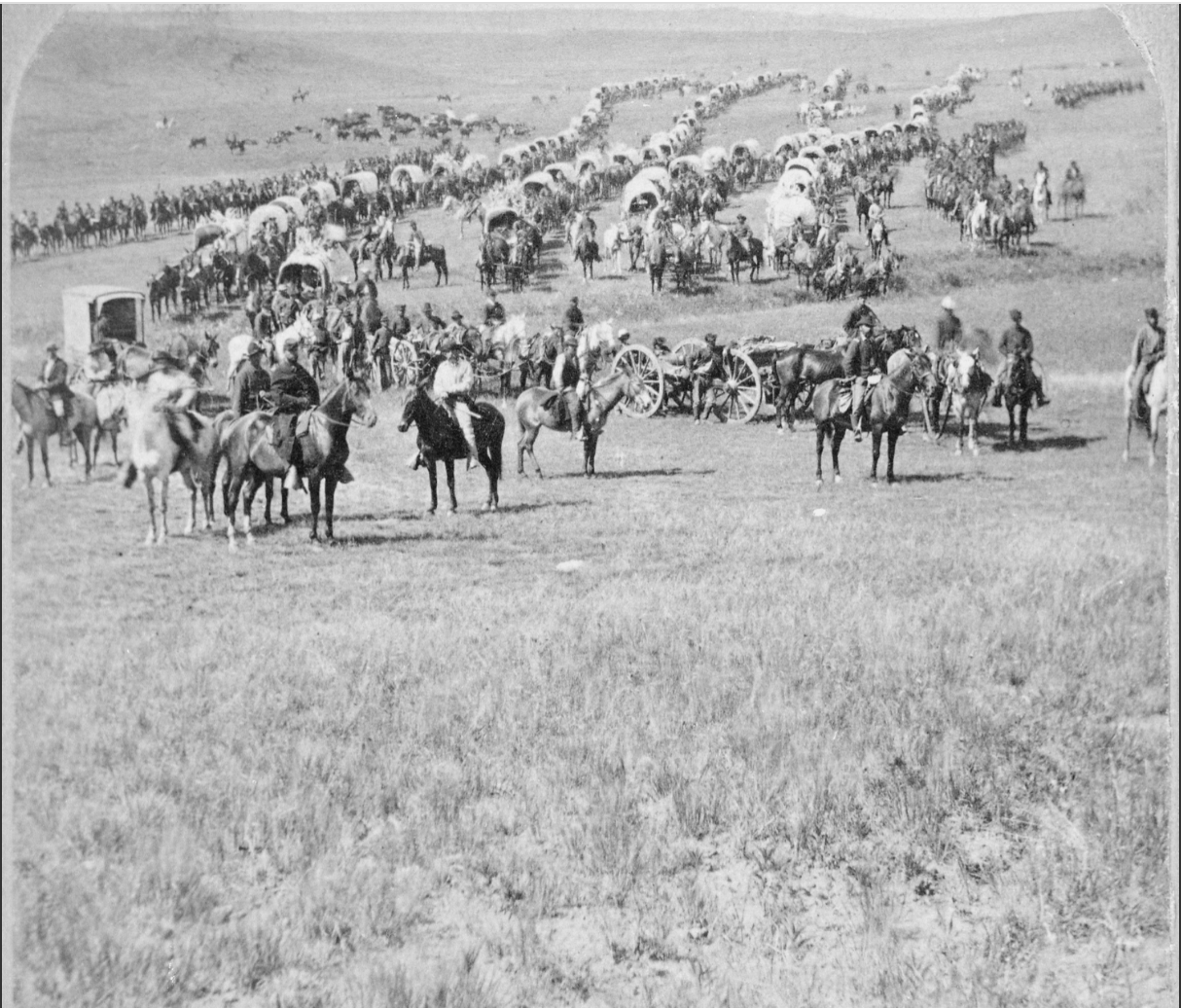
In this activity, you will examine the impact of westward expansion and settlement on Native American communities following the Civil War. You will explore a variety of documents to get a sense of the issues faced by Native Americans due to settlement and U.S. Government Indian policy.