On Juneteenth

National Archives , United States

Pulitzer Prize-winning historian Annette Gordon-Reed tells the sweeping story of Juneteenth’s integral importance to American history and provides a historian’s view of the country’s long road to Juneteenth, recounting both its origins in Texas and the enormous hardships that African-Americans have endured in the century since, from Reconstruction through Jim Crow and beyond.

Free
Why It Matters: Civic and Electoral Participation

Hawai'i Council for the Humanities , United States

We are regularly exposed to the message that in a democracy, such as the United States, our voices matter. We are encouraged to vote—to participate in the electoral process—to be civically engaged. But what does that mean in a climate where so many of us express apathy and distrust in the system? In an increasingly […]

Free

National Archives Civics Initiative

National Archives Foundation , United States

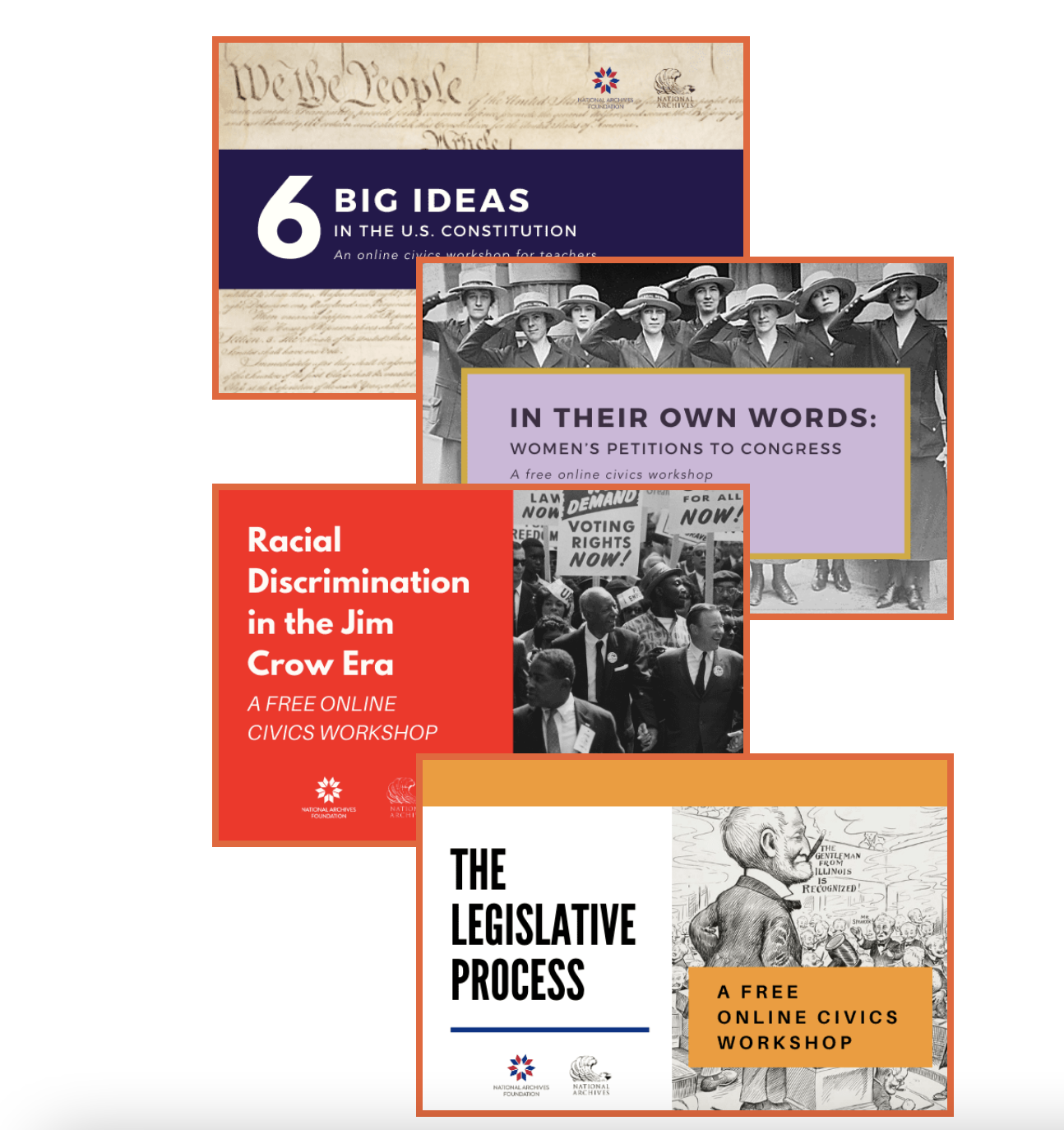
For decades in America, civic literacy, individual rights, and historical understanding have been waning. The National Archives is uniquely positioned to change this trajectory by supporting educators across the nation to help inspire students and supply them the tools and skills to be active participants in our civic life.

Free

Monticello’s Virtual 2020 Independence Day Commemoration

Thomas Jefferson Foundation, Monticello , United States

Join us as we commemorate both the powerful words of the Declaration of Independence and how generations have fought – and continue to fight – to make these ideas real. Pulitzer Prize-winning historians Annette Gordon-Reed and Jon Meacham reflect on our country’s founding principles, and the role Thomas Jefferson envisioned citizens playing in moving the […]

Free

Monticello LIVE with Jon Meacham and David Rubenstein

Thomas Jefferson Foundation, Monticello , United States

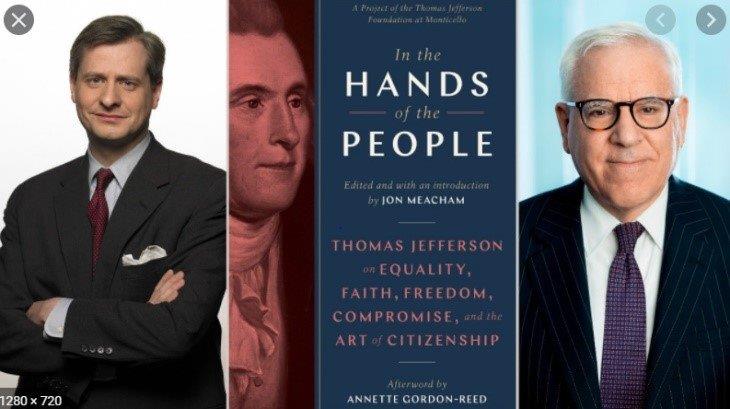
America’s Founders understood that a republic is fragile; for it to survive, citizens must be engaged, educated, committed and have a free press and voting rights. In this livestream Pulitzer Prize-winning historian and past chairman of the Thomas Jefferson Foundation Board of Trustees, Jon Meacham, and philanthropist David Rubenstein discuss Jefferson’s remarkably modern advice on […]

Free

Memory, Mourning, Mobilization: Part I: Historical Perspective from the Founders to Civil Rights

Thomas Jefferson Foundation, Monticello , United States

How could the author of the Declaration of Independence own slaves? How did the Founders’ failure on slavery stunt the American Dream? What are some of the key lessons from the Civil Rights Movement of the 1950s and 1960s? Ed Ayers, Marian Wright Edelman, Annette Gordon-Reed, Deborah McDowell discuss with Peter S. Onuf.

Free

How to Have a Better Argument in School

The Better Arguments Project , United States

Better Arguments can help you learn to engage productively across differences and grapple with differing viewpoints. The Better Arguments Projects created a curriculum applicable to school-based learning activities and after-school programs.

Free

Can You Pass the U.S. Citizenship Test?

New-York Historical Society , United States

Do you know what it takes to become an American? This quiz features questions from the U.S. Citizenship and Immigration Services naturalization exam paired with objects from the New-York Historical Society's collections to create key connections and context in American history.

Free

What do you think every American should know?

Aspen Institute Citizenship and American Identity Program , United States

What Every American Should Know, an initiative of the Aspen Institute’s Citizenship and American Identity Program, is a nonpartisan exploration of the elements of cultural and civic social literacy for our increasingly diverse nation. We are crowdsourcing ideas from a wide range of Americans by asking the following question: What are 10 terms or references […]

Free

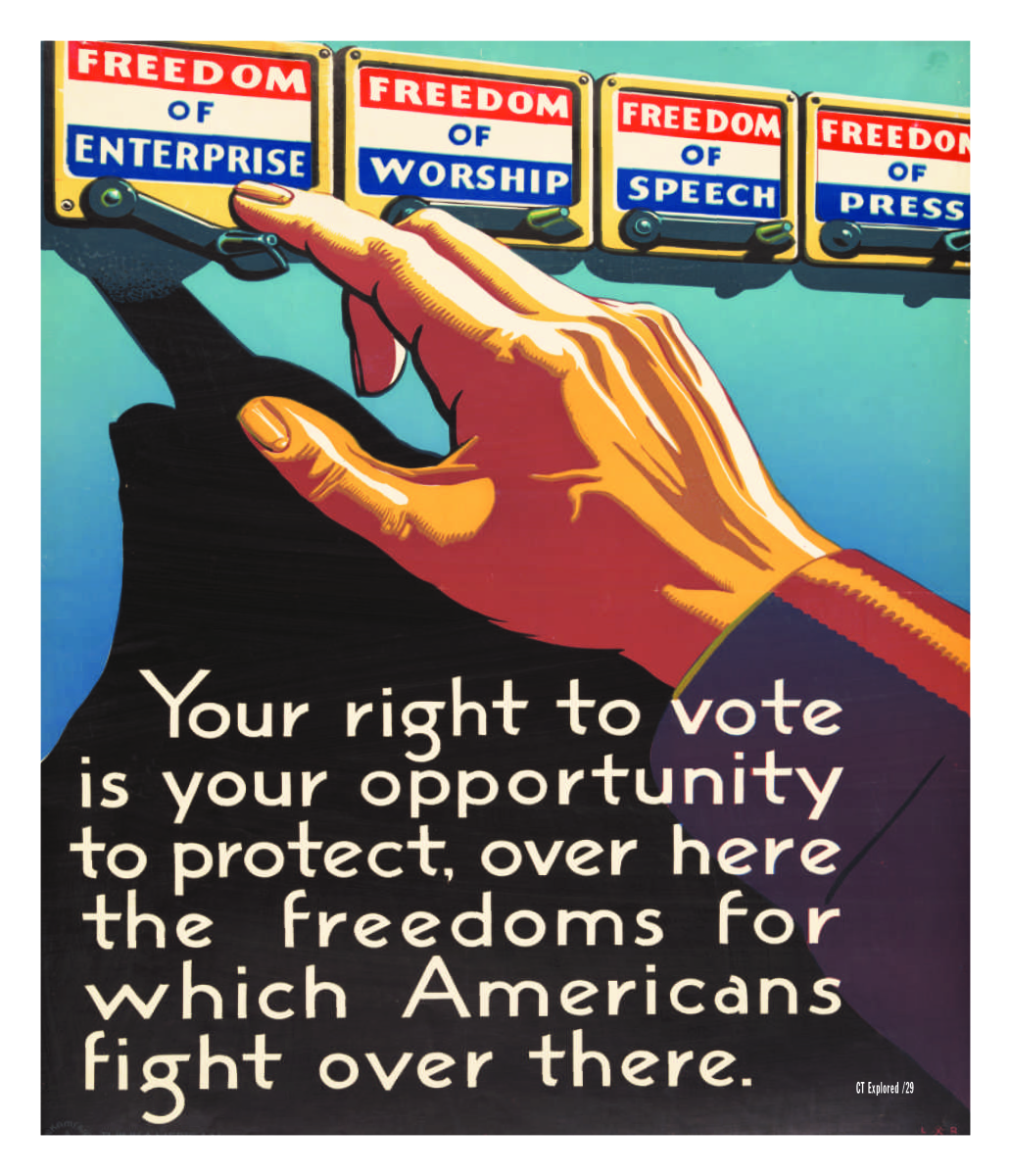
Why Should I Vote?

Connecticut Explored , United States

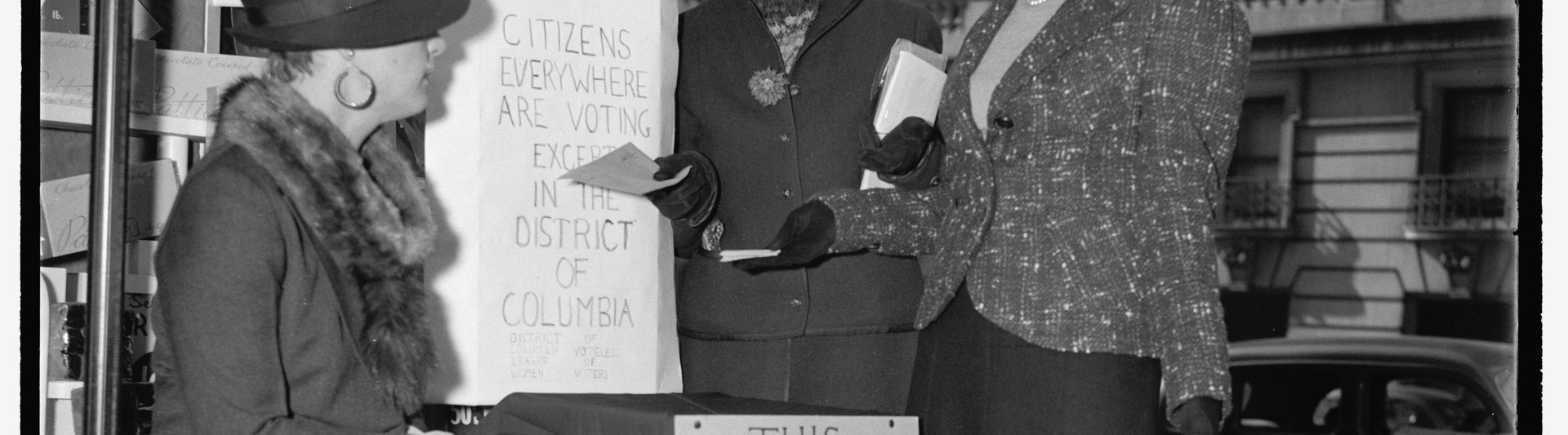
The right to vote is the most elemental right of citizenship. Or is it? Through an examination of who could vote in Connecticut and under what circumstances, with a particular focus on African American and women suffrage, students will learn about the role of voting in building and maintaining a representative democracy, will examine the […]

Free

Read about the 19th Amendment from a Native American Perspective

Connecticut Explored , United States

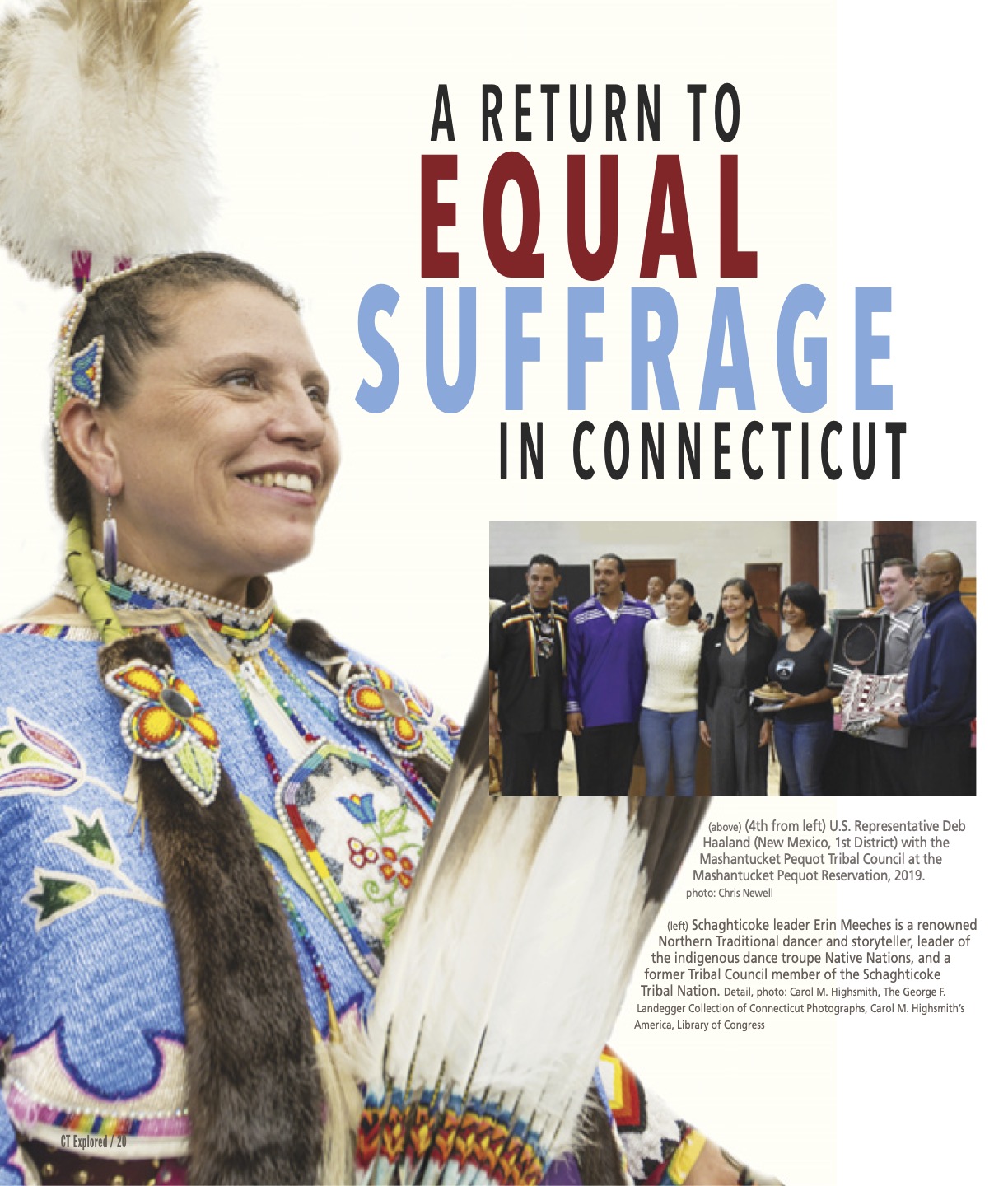
Did women gain the right to vote in 1920 for the first time, or was the 19th amendment a return to a more natural and balanced governance system? Passamaquoddy Tribe member Christopher Newell reminds us of the long history of women's leadership in Native American governance systems.

Free