
Gay Like Me: A Father Writes to His Son
New-York Historical Society , United StatesConversation with the writer about his life as a gay man in America.
Free


Conversation with the writer about his life as a gay man in America.
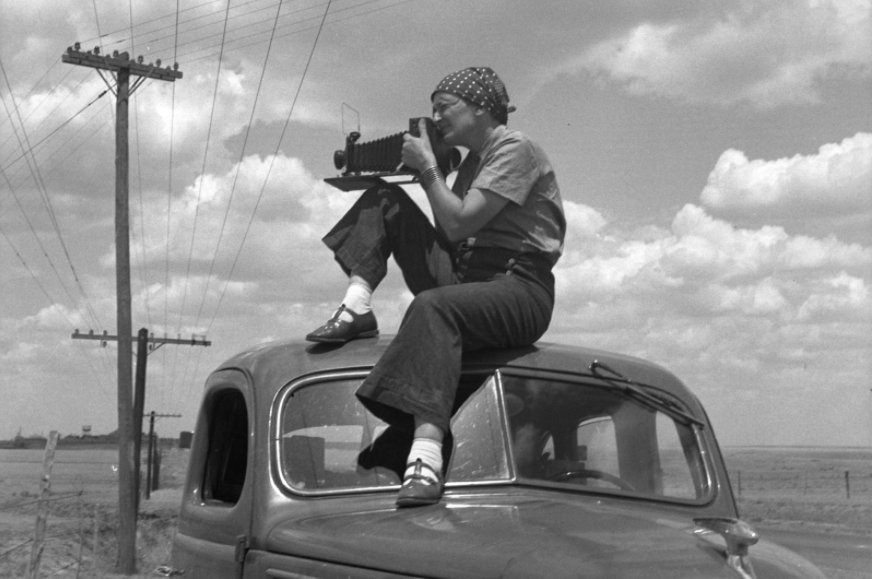
Dorothea Lange documented American life with riveting, intimate photographs that captured the human face of national events. Though rooted in historical events, Lange’s photographs resonate today, and demonstrate how empathy and compassion—focused through art—can sway minds and prompt change.
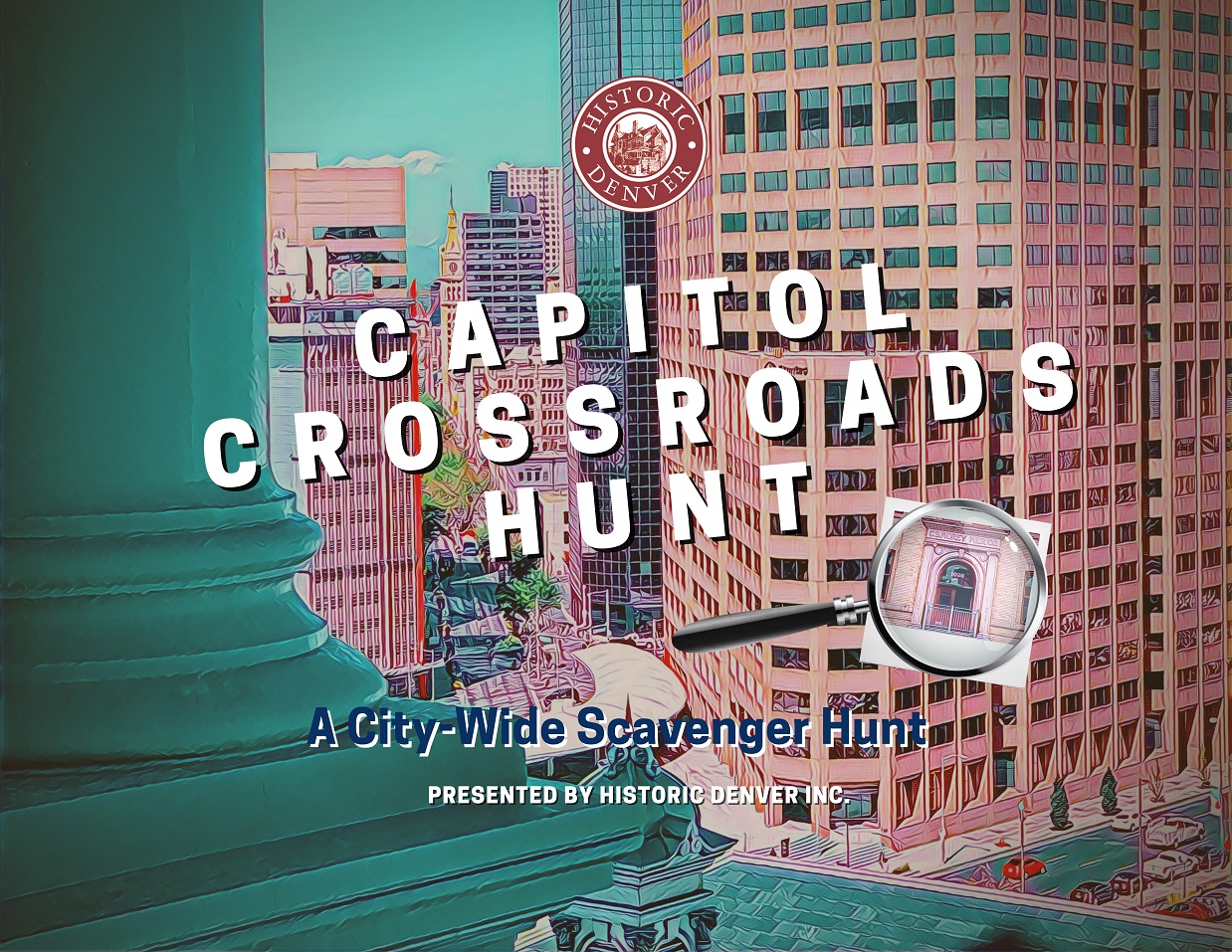
The best way to be an active citizen is to know your community. Join us for this scavenger hunt to discover more about Denver and it's historic places. You will be given the clues and have four days to complete the hunt to be in the running for prizes.
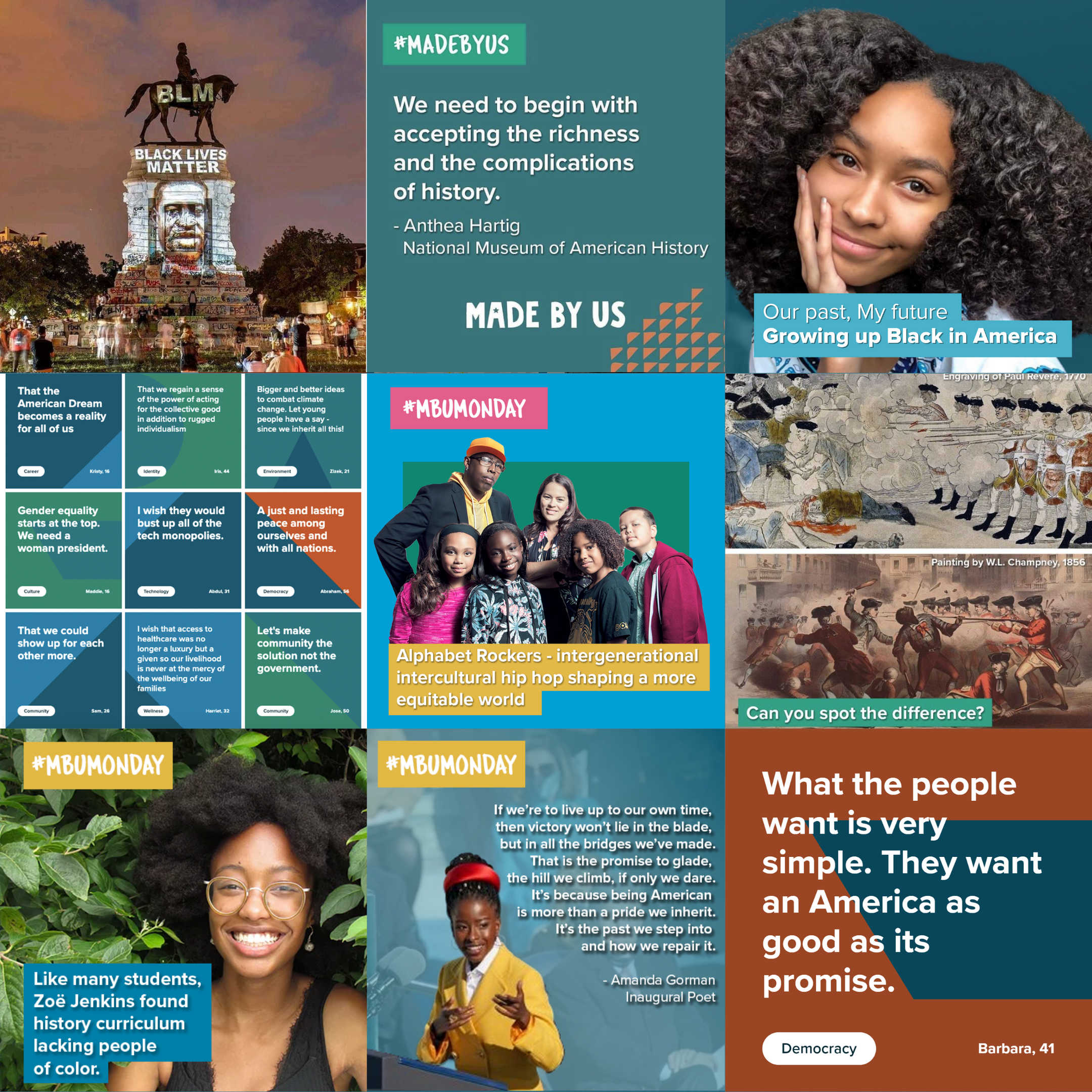
Curious about who is making history everyday in cities across the U.S.? #MBUMonday from @historymadebyus is where you can find changemakers and projects that are serving up history to the people, and sharing fun, creative and meaningful ways you can get involved in your community to make the future.
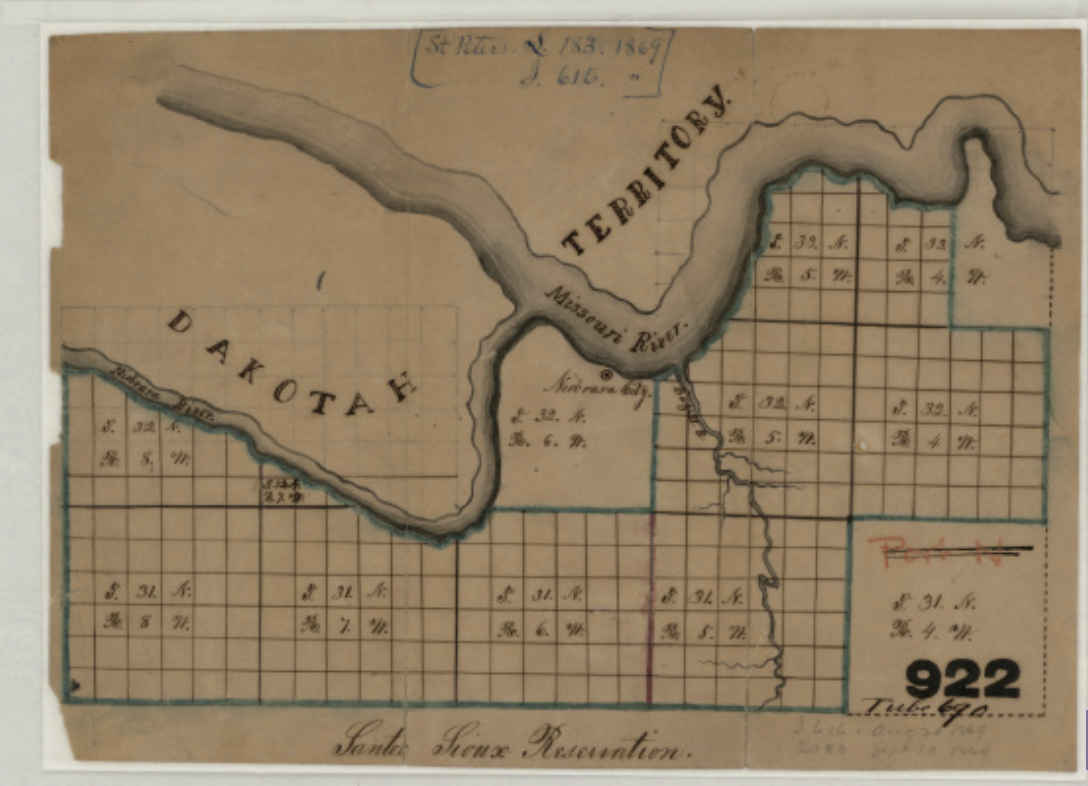
The history of Native American rights is not a progressive march; it’s a story of rights being alternately acknowledged and disregarded. In this struggle, tribes negotiated hundreds of treaties with the Federal Government. Nonetheless, Native Americans lost many rights due to conflicts with Americans and the interests of the Federal Government.
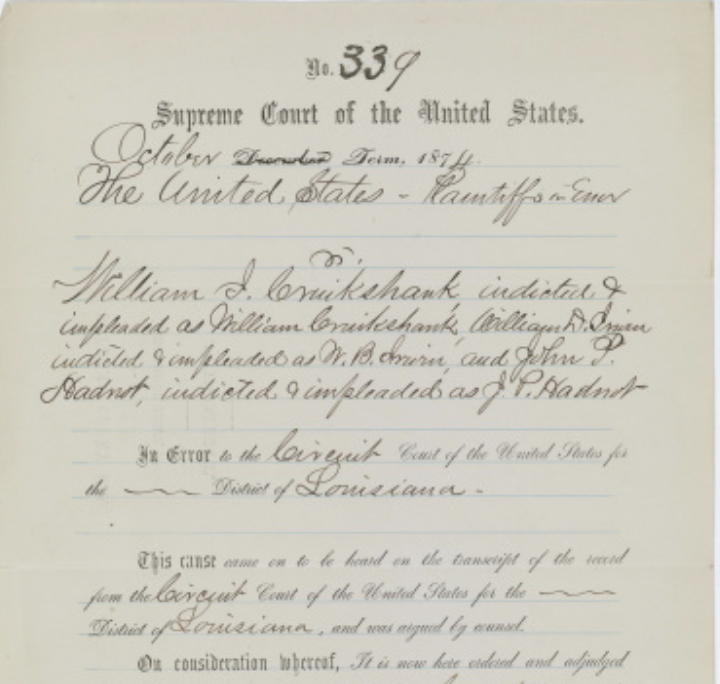
Two of the stated purposes of the Constitution of the United States are to “establish justice” and “secure the blessings of liberty.” Yet the Constitution did not abolish slavery. Some saw this as a contradiction; others believed they should be free to own slaves. The definition and application of the Constitutional ideals of freedom and […]
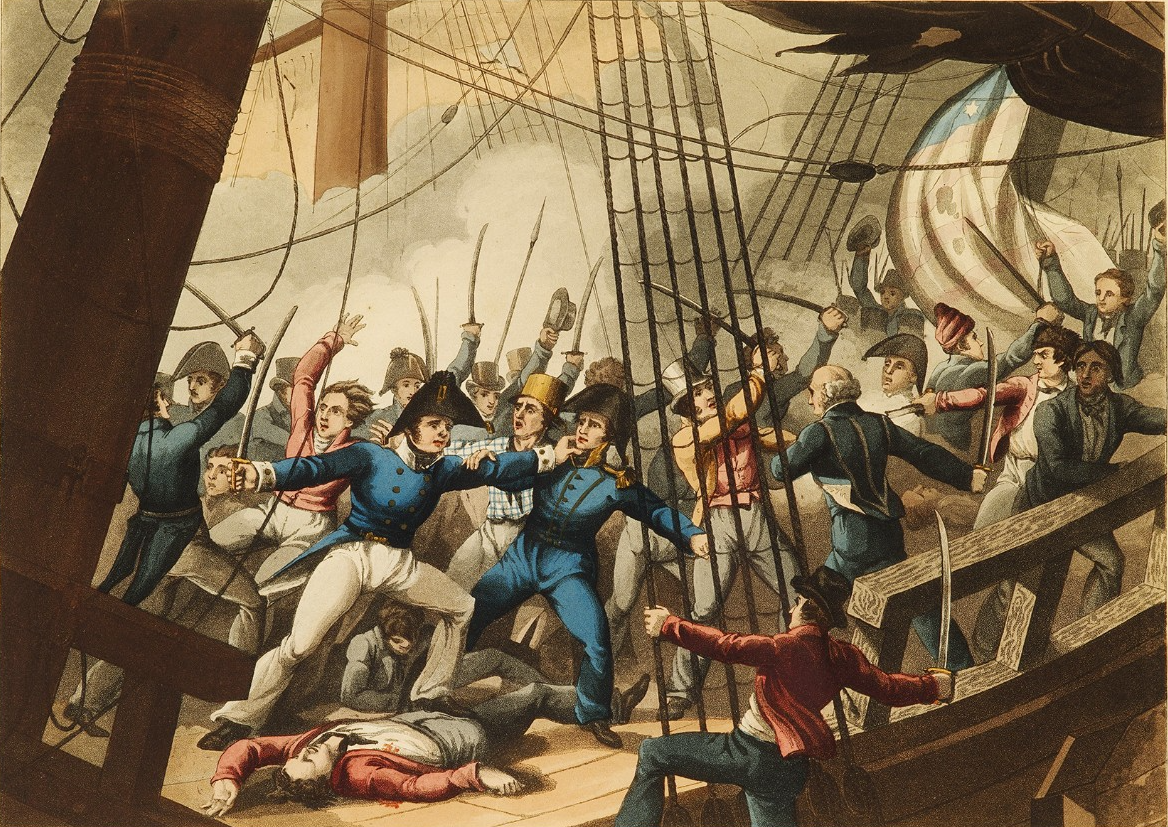
The newly independent United States has sought to stay neutral during the Napoleonic Wars between France and the British Empire, but constraints on trade and British attacks on American shipping have left the United States questioning how it can exercise its freedom from European entanglements. How should the United States respond?
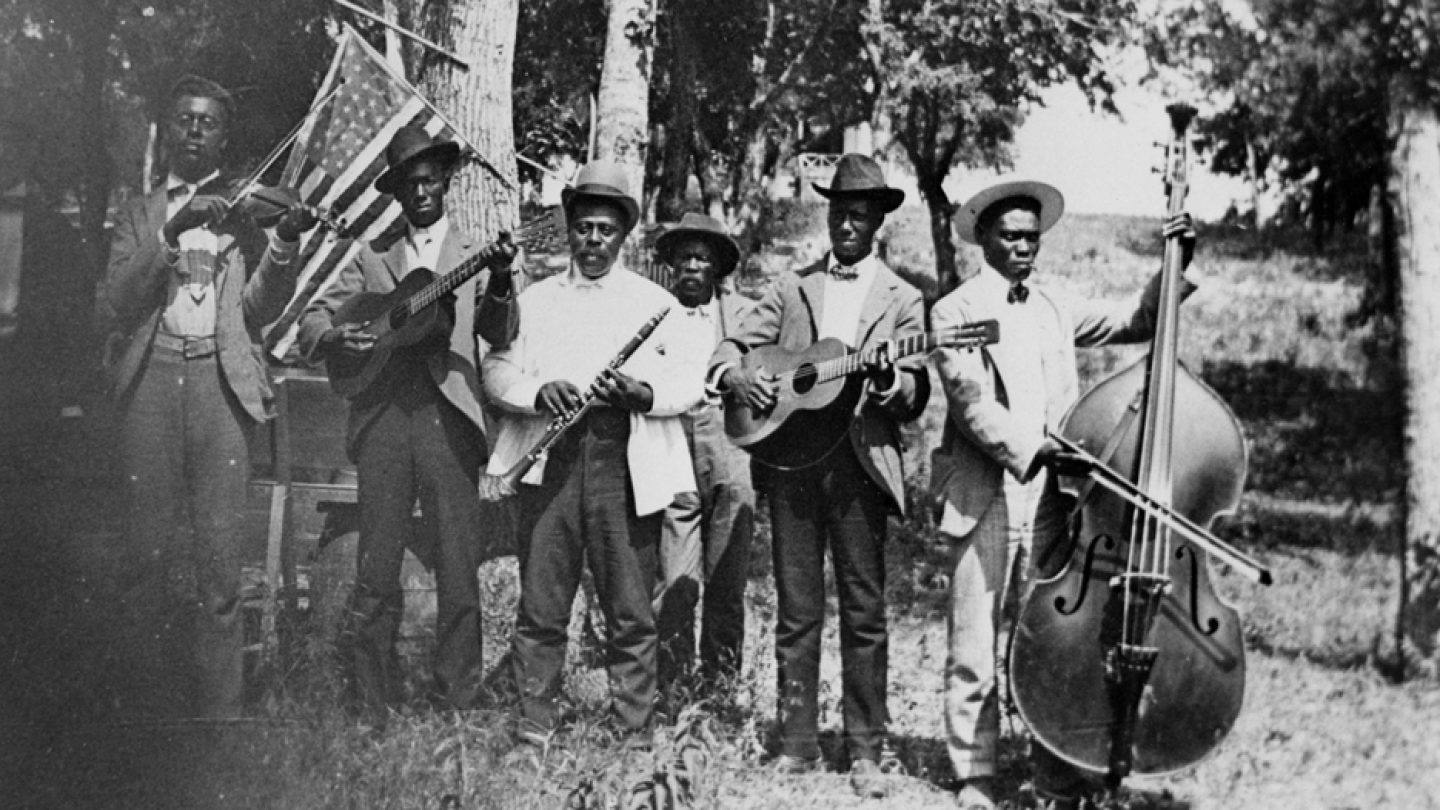
Join Atlanta History Center virtually as we honor Black innovation, creativity, and activism throughout the entire month of June 2021. From discussions exploring the lives and experiences of perseverant African-American figures like civil rights leader C.T. Vivian, to a deep dive into historic locations in Atlanta’s African-American community, check back often to discover curated resources […]

Mapping Inequality, a big data project, visualizes patterns of systemic racism, and unjust housing and banking practices from the New Deal Era to our present day communities.Explore the maps and begin a dialogue on fair housig policies in your community.
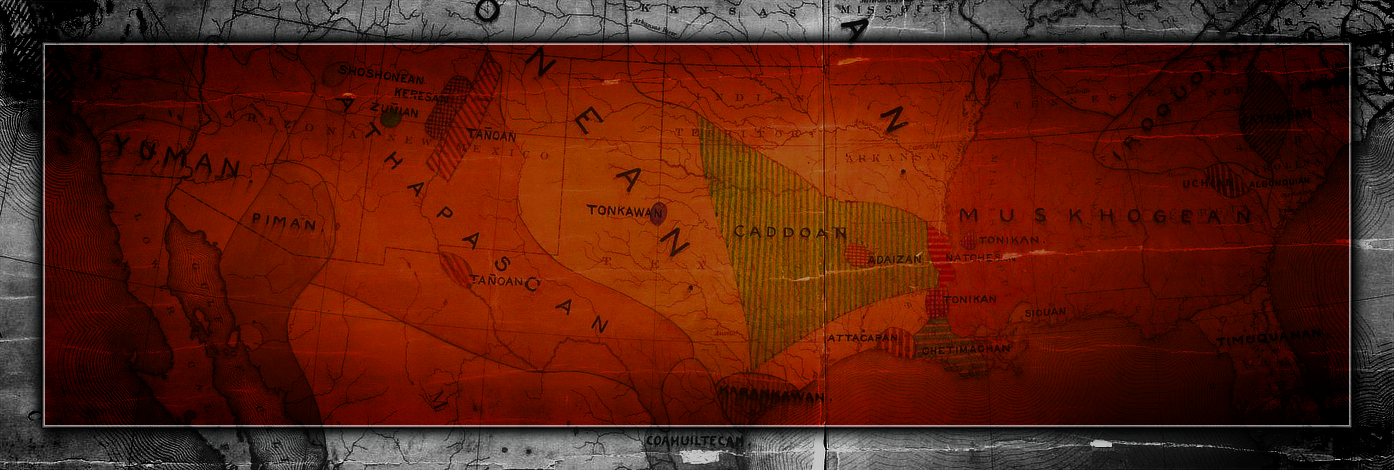
A project of U.S. Poet Laureate Joy Harjo, “Living Nations, Living Words” features a sampling of work by 47 Native Nations poets through an interactive ArcGIS Story Map and a newly developed Library of Congress audio collection.
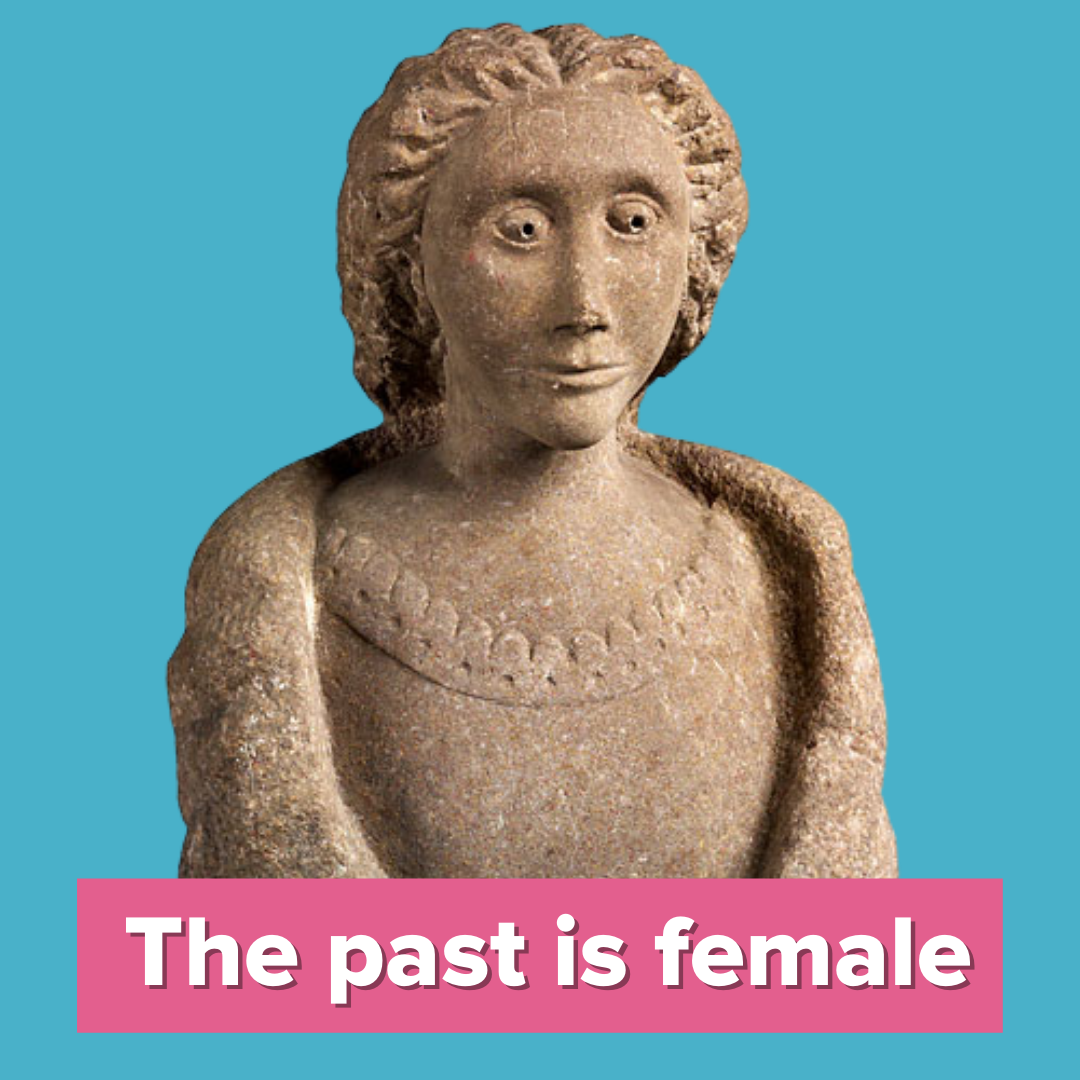
The Cherokee Nation had a long history of female leadership when white settlers first arrived in the area known today as the Southeastern United States. Cherokee society is matrilineal, meaning that tribal and clan membership is traced through mothers. The Women’s Council of Clan Representatives is one of the two governing bodies of the nation. […]
Only a few tribal Nations were indigenous to what is now the State of Oklahoma. All others were removed from homelands across the contiguous U.S. to Indian Territory. Opening this fall, in one place, visitors will experience the collective histories of 39 distinctive First American Nations in Oklahoma today. First Americans Museum will share the […]