Printing the Legend: The Unseen Courage of Harriet Tubman
American Civil War Museum , United StatesJoin us as we look at the flesh and blood woman behind the legend of Harriet Tubman and celebrate her heroism and achievements.
Free

Join us as we look at the flesh and blood woman behind the legend of Harriet Tubman and celebrate her heroism and achievements.
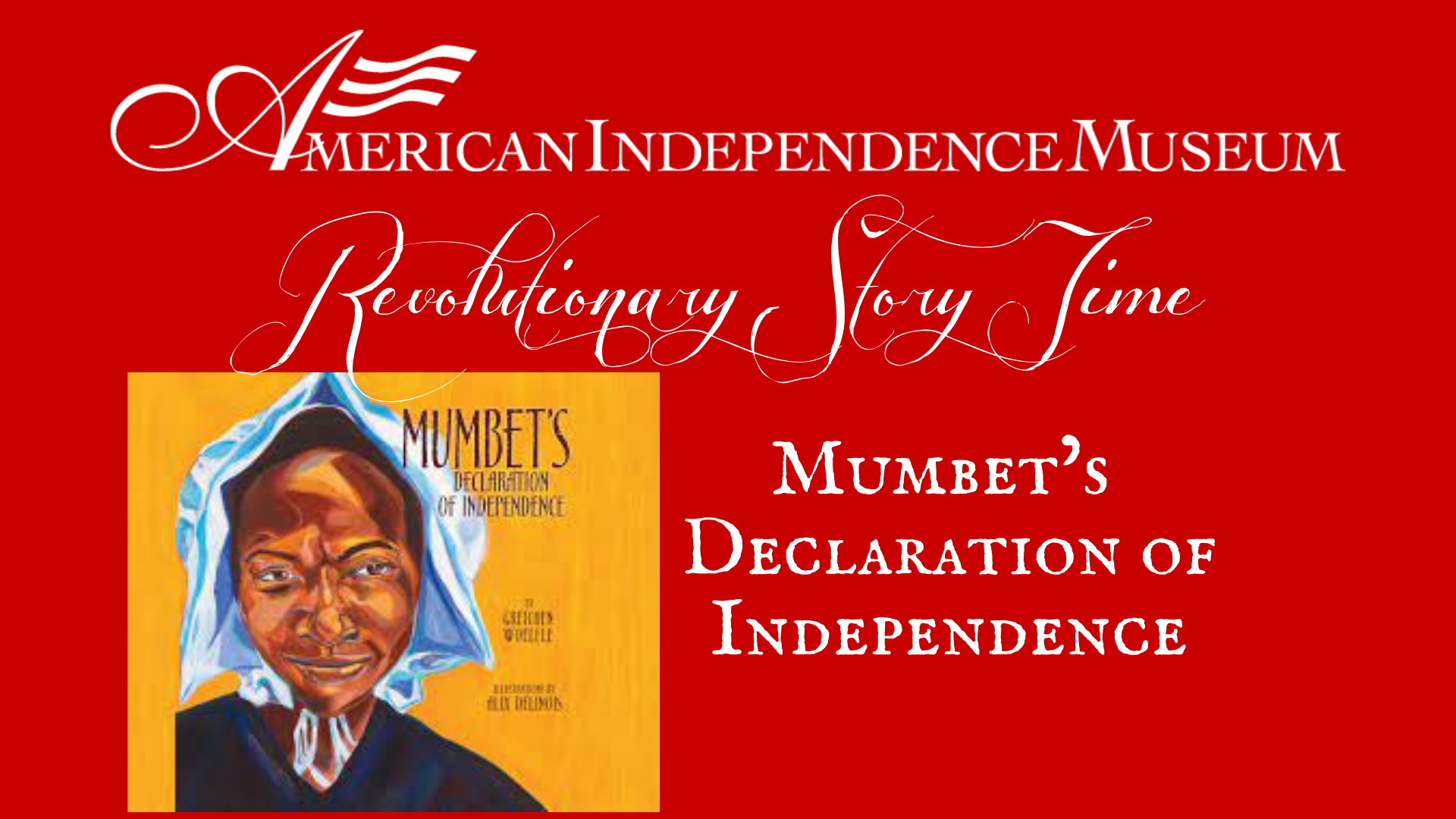
Did the Declaration of Independence and United States Constitution give all people the same rights? This might be a children’s story, but there are a lot of interesting questions to consider here - and ways for you to add your voice.
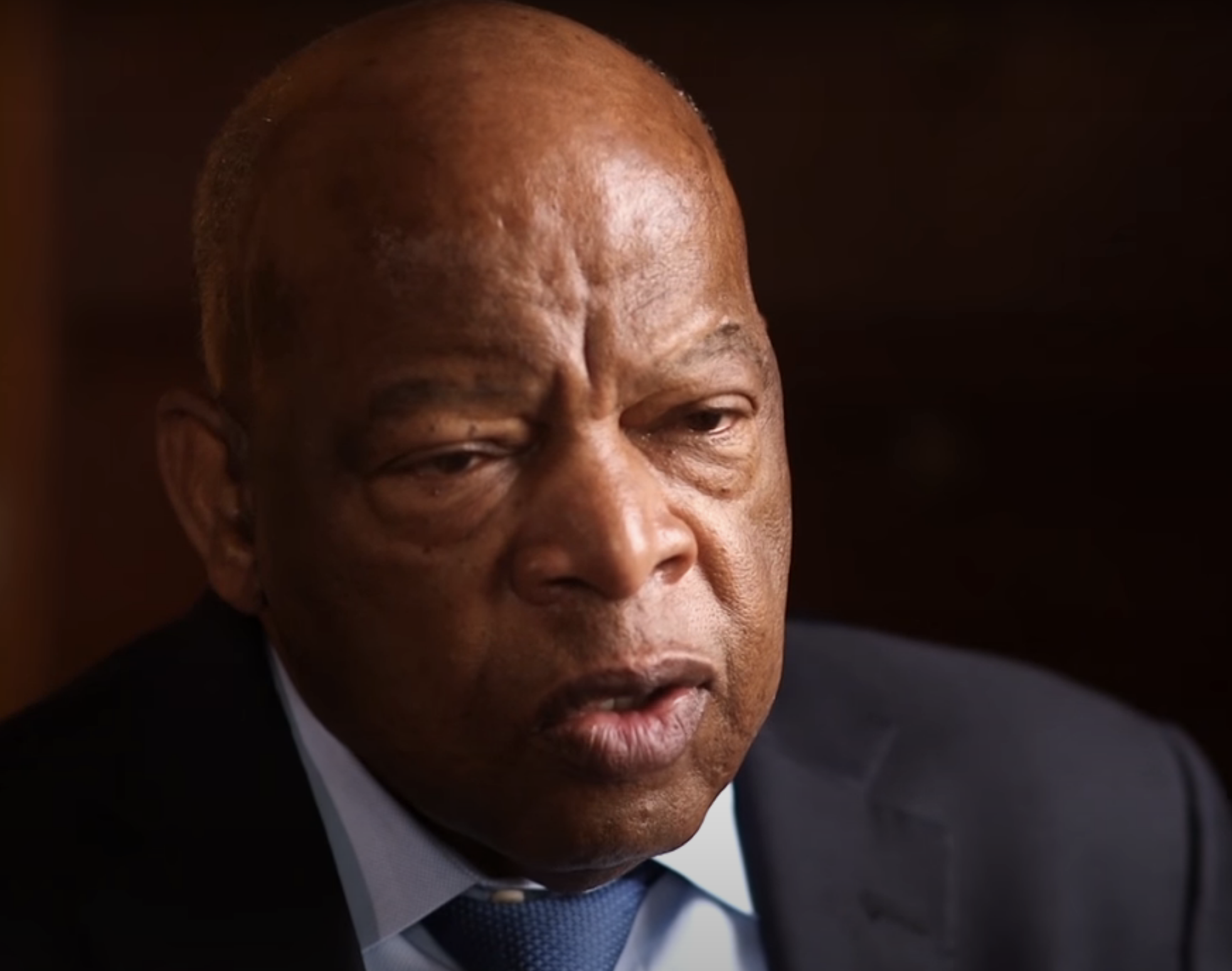
On April 13, 2015, Rep. John Lewis, congressman and civil rights activist, gave the keynote address at Monticello's Founder's Day ceremony. After the ceremony, Lewis discussed his visit and what it meant to be awarded the 2015 Thomas Jefferson Foundation Medal in Citizen Leadership.
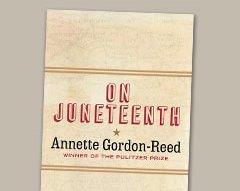
Join us on Tuesday, June 15th at 1 pm for a livestream celebrating Juneteenth, the national holiday commemorating the ending of slavery in the United States, with Pulitzer-Prize winning historian Annette Gordon-Reed. Dr. Gordon-Reed will discuss her new book, On Juneteenth, a story that blends personal essays and historiography to speak to the significance of […]
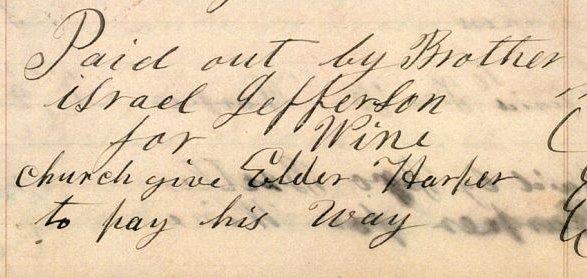
Monticello Guide Sam Saunders looks at the life of enslaved personal servant Israel Gillette Jefferson and shares the momentous events in his life, such as the passing of Thomas Jefferson, his subsequent sale and separation from his first wife and children, and his move as a free man to Ohio where he became a deacon […]

In June 2020, members of The Yale Historical Review (YHR) founded The 1701 Project, an initiative on racial injustice and social change. Although unrelated, we draw inspiration from Nikole Hannah-Jones and her colleagues’ examination of slavery’s legacies in The 1619 Project. The 1701 Project (a nod to the year of Yale’s founding) analyzes our university’s […]
Juneteenth is the celebration and commemoration of the freedom in 1865 in Galveston, TX of those who were still enslaved after the Emancipation Proclamation was issued in and the Civil War was over. This program will bring to light the work toward freedom of the men and women across the U.S. since then and underscore […]

Monticello's Director of African American History Niya Bates discusses the descendants of Monticello's enslaved community and their struggle over generations to make real the promises of the Declaration of Independence.
In honor of Juneteenth, here are a few documents in the American Civil War Museum’s collection associated with emancipation and its celebration, including an illustration from 1877.
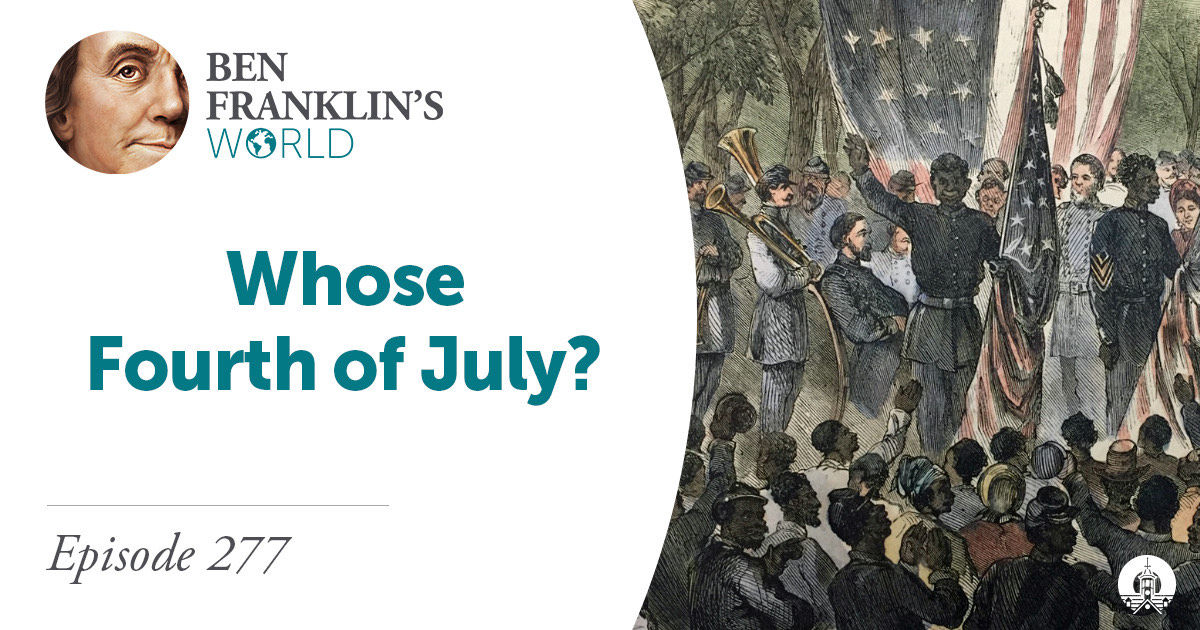
Historians Dr. Martha S Jones and Dr. Christopher Bonner investigate with host Liz Covart what the Fourth of July meant for African Americans in the late eighteenth and early nineteenth centuries on this podcast.
Slavery is fundamental to the American story. Monticello is simultaneously a place to remember, a place to mourn, and a place to inspire change. How can Monticello’s duality – the pain and beauty of one of America’s best-studied and preserved plantations – advance a national dialogue on race? What is the role of cultural monuments […]
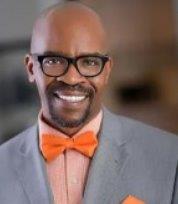
First-person interpretation can help the past come alive, but it can be a heavy responsibility—especially when sharing difficult history. Portraying an enslaved person can be especially challenging, both professionally and personally. Richard M. Josey discusses his years as a first-person interpreter, the lessons he learned, and how he now shares those lessons as a consultant […]